
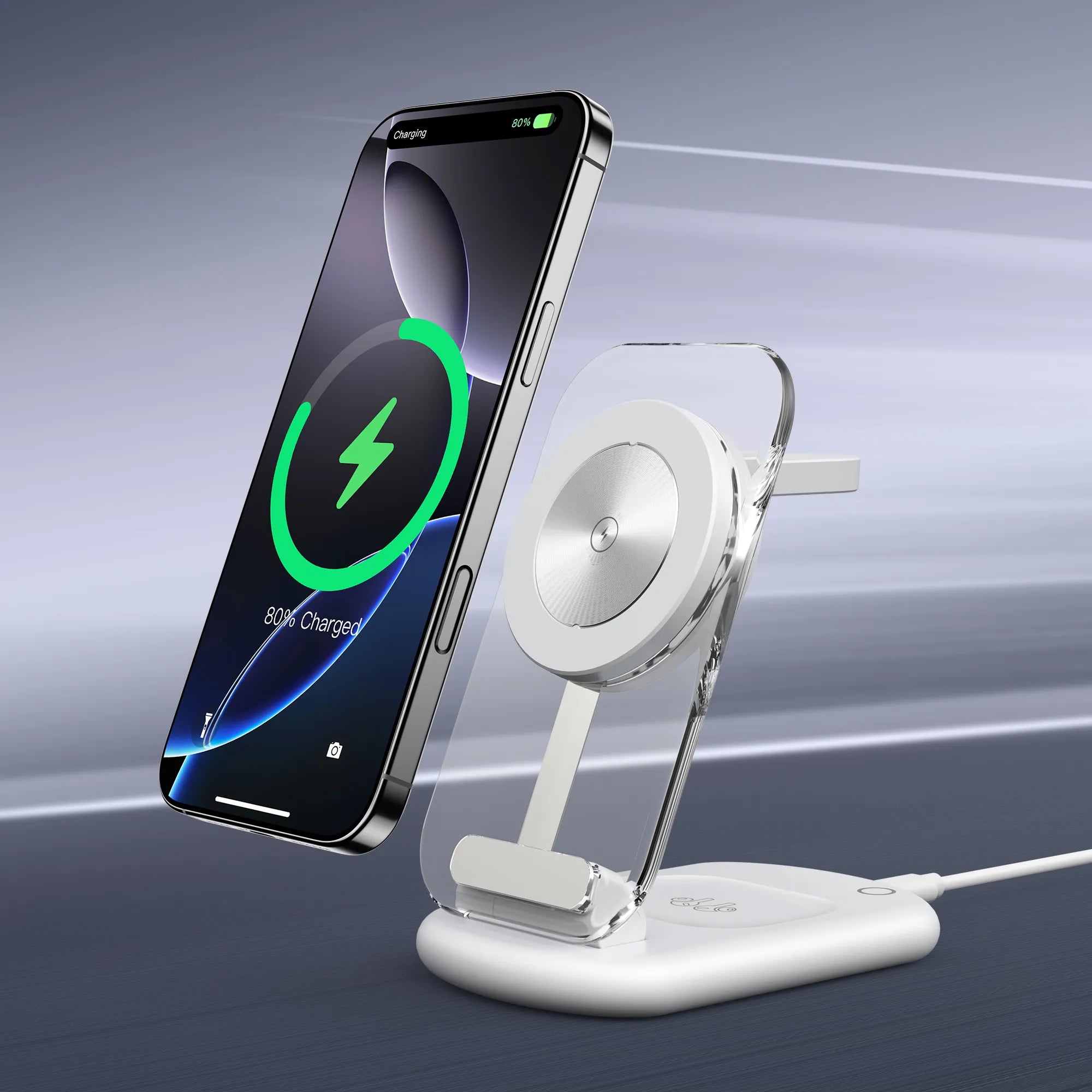
The Difference Between Wired and Wireless Charging: Which Is Better for You?
In today’s fast-paced world, charging your devices efficiently has become essential. Whether you’re powering your smartphone, earbuds, or smartwatch, the debate between wired and wireless charging continues. This article explores the differences between the two and helps you determine which charging method suits your lifestyle best.
What Is Wired Charging?
Wired charging remains the most traditional and widely used method. It involves connecting a device directly to a power source using a cable. For example, when you plug in a USB-C cable or a Lightning cable, energy flows through the wire directly into your phone or tablet.
Pros:
- Faster charging speed: Wired charging typically provides higher power output, which means your phone can charge quickly. A fast wireless charger may still lag behind a high-speed cable charger.
- Stable connection: Physical connection ensures consistent power transfer.
- Compatibility: Works with nearly all devices, including older models.
Cons:
- Cable clutter: Managing multiple cables can be inconvenient.
- Wear and tear: Constant plugging and unplugging may damage ports over time.
What Is Wireless Charging?
Wireless charging, also known as Qi wireless charging, transfers power without a cable connection. Devices charge by simply placing them on a wireless charger stand or portable wireless charger. The most common technology behind this is the Qi standard, which supports devices like smartphones, AirPods, and even some smartwatches.
Pros:
- Convenience: Just place your device on the wireless charger for iPhone or wireless charger for Android, and charging begins instantly.
- Less wear and tear: No need to plug or unplug cables.
- Multi-device charging: Many modern 3 in 1 wireless charger designs allow you to power a phone, smartwatch, and AirPods wireless charger simultaneously.

Cons:
- Slower charging speed: Even a fast wireless charger is usually slower than wired options.
- Position sensitivity: Devices must align properly with the charging coil.
- Portability issues: While portable wireless chargers exist, they can be bulkier compared to simple cables.
Which One Is Better for You?
Choosing between wired and wireless charging depends on your needs. If you prioritize speed and efficiency, wired charging is the better choice. But if you value convenience and minimalism, a Qi wireless charging adapter or wireless charger stand could simplify your daily routine.
Conclusion
Wireless charging technology continues to evolve, with fast wireless charger designs getting closer to wired speeds. For most users, having both options available — perhaps a wireless charger for iPhone at home and a portable wireless charger for travel — offers the perfect balance between convenience and efficiency.

Share:
Wireless Charging Too Slow? How to Choose the Right Wireless Charger for Your iPhone
How Fast Wireless Chargers Improve Your Daily Routine